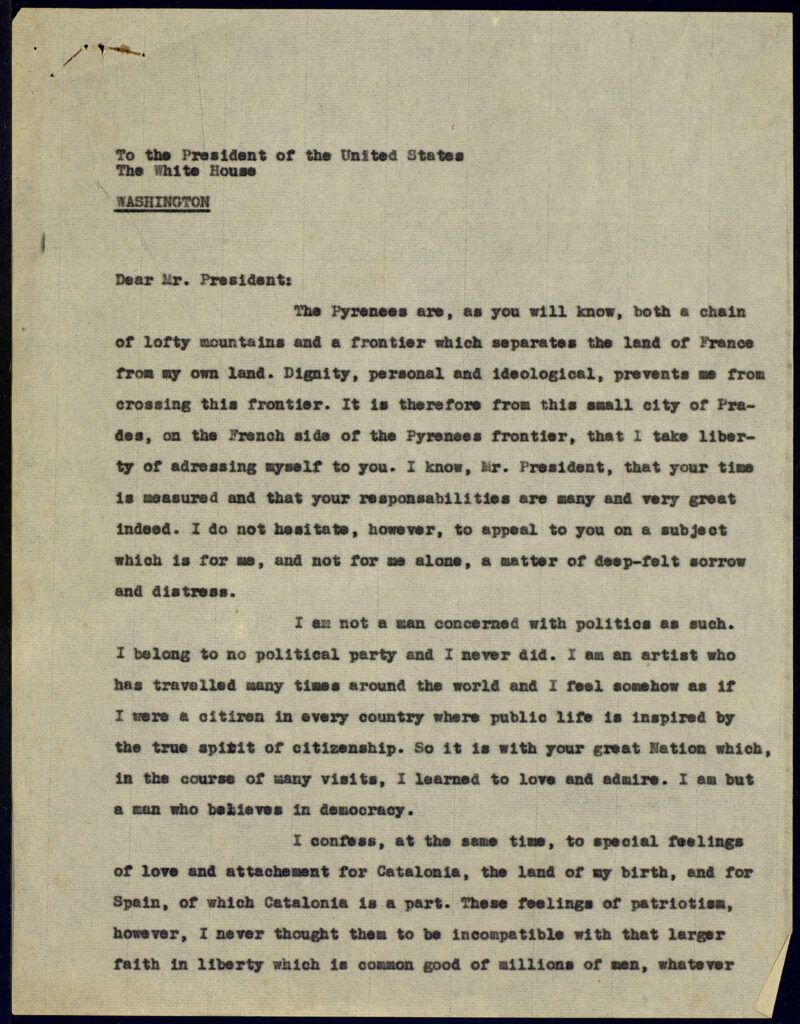
The history of Catalonia is a faithful reflection of the history of Western Europe, of which it has been an inseparable part since the times of Romanization. The documents preserved in the Catalan archives, from the first writings of the 9th century to the present day, are a mirror of European civilization, testifying to the evolution of its values, forms of government and economic and social dynamics over the centuries. This trajectory connects Catalonia with the great processes that have shaped the continent, from the Carolingian era to the current project of the European Union.
In the 8th and 9th centuries, the territory of what is today Catalonia was incorporated into Carolingian Europe as part of the Spanish March. The earliest records show an administrative and cultural activity indicative of the development of a common consciousness, as highlighted by Marc Bloch and Lucien Febvre in reference to Christianity’s influence on the nascent European nations. As Jacques Le Goff so succinctly put it, ‘it was in the Middle Ages that Europe first appeared and took shape both as a reality and as a representation’. In Catalonia, institutions such as the legal code known as the Usatges de Barcelona [Usages of Barcelona], the Corts Catalanes [an early parliamentary body] and ‘pactism’ point to a continuity in legal and representational practices aligned with Europe’s evolution towards early forms of modern parliamentarism.
This Catalan participation in the idea of Europe was enriched by contributions such as the 13th-century Consolat de Mar code, which governed maritime trade in the Mediterranean, or the 15th-century taules de canvi [a sort of early public bank], which provided legal certainty in finance. The jurisdictional fragmentation and estate privileges characteristic of the ancien régime co-existed with a law in the process of being formalized, the mirror image of a Europe in transition. In the 19th century, the struggle for democratization marked a new course, in which the aspiration for equality – inspired by the French Revolution and events such as the revolutions of 1848 – was the driving force for change. In Catalonia, this ideal could be seen in milestones such as the Cádiz Constitution of 1812 and prominent figures such as Antoni de Capmany, who advocated popular sovereignty and legal equality. It was likewise apparent in the First Spanish Republic of 1873, which, in line with progressive European trends, saw a push for universal rights – including suffrage, if only for men – and the social reforms of the Second Republic and conquest women’s suffrage, cut short by the Spanish Civil War and ensuing Franco dictatorship.
The process of building the European Union, which emerged in the wake of World War II, was a modern vision of a new continental international order grounded in democracy, human rights and peaceful cooperation, with institutions such as the European Parliament and the Charter of Fundamental Rights as core pillars. In contrast to the Carolingian Renaissance, which, centuries ago, pursued homogeneity through Latin and Christianity, today’s process of European construction enshrines diversity – albeit with clear limitations – with 24 official languages and a commitment to plural identities. Catalonia is connected to this through its history of cultural resistance and cooperation, as reflected in its aspirations for peace and social cohesion.
The 21st-century European construction process is based on the values clearly set forth in Article 2 of the Treaty on European Union: human dignity, freedom, democracy, equality, the rule of law and human rights, including those of minorities, as well as a society defined by pluralism, tolerance and solidarity. In short, the idea of the European Union is based on a broader history in which Catalonia, with its archives as documentary evidence, has helped weave the tapestry of a European identity both rich in diversity and constantly evolving.
Highlighted below are just some of the Catalan documents that have shaped Europe in areas such as the rule of law, parliamentarism, Christianity, financial regulation, commercial law and freedom of thought and opinion, attesting to Catalonia’s contribution to the construction of these genuinely Western values.
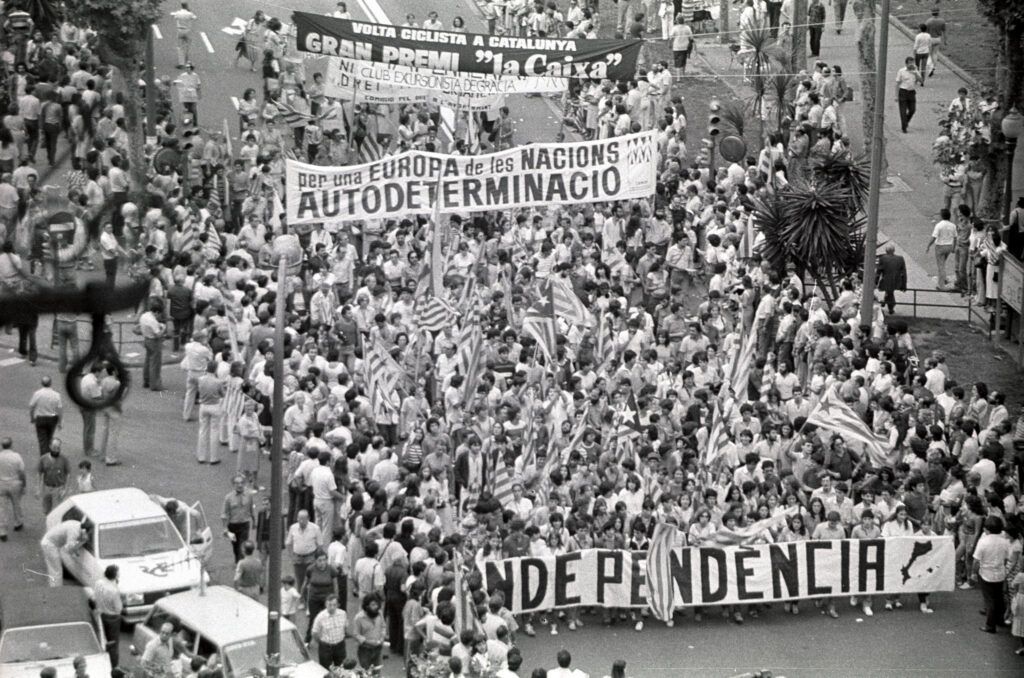
Social movements and struggles
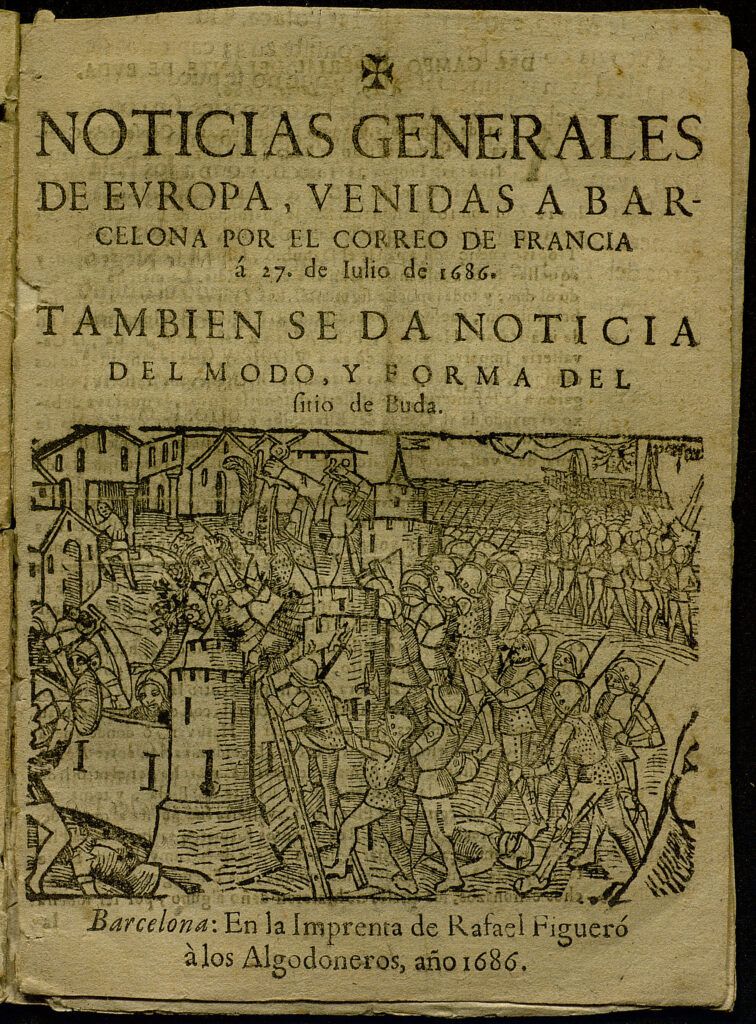
Freedom of thought and opinion
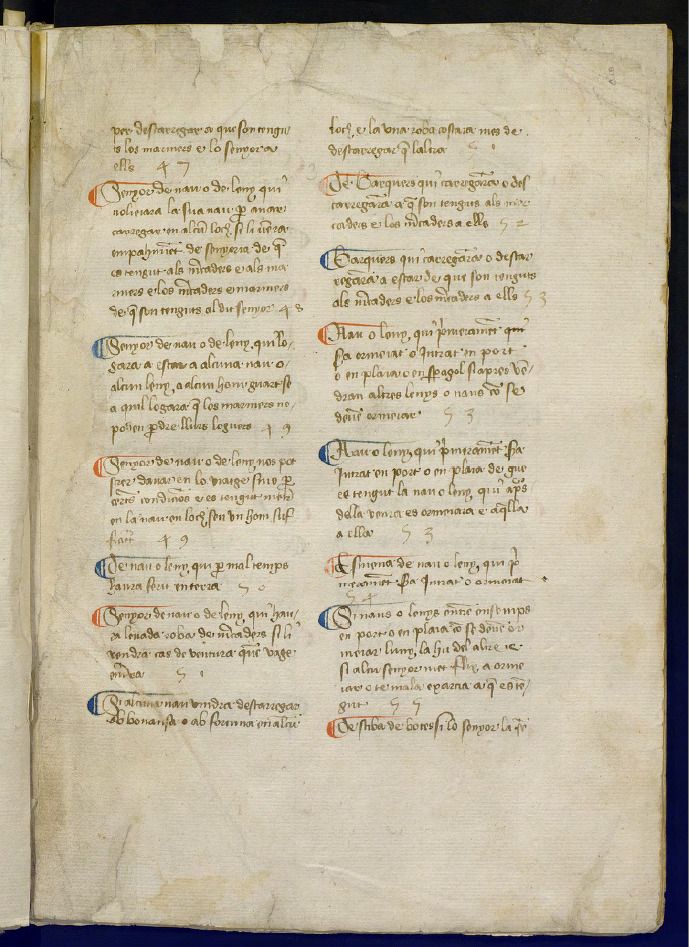
Building international trade from Catalonia
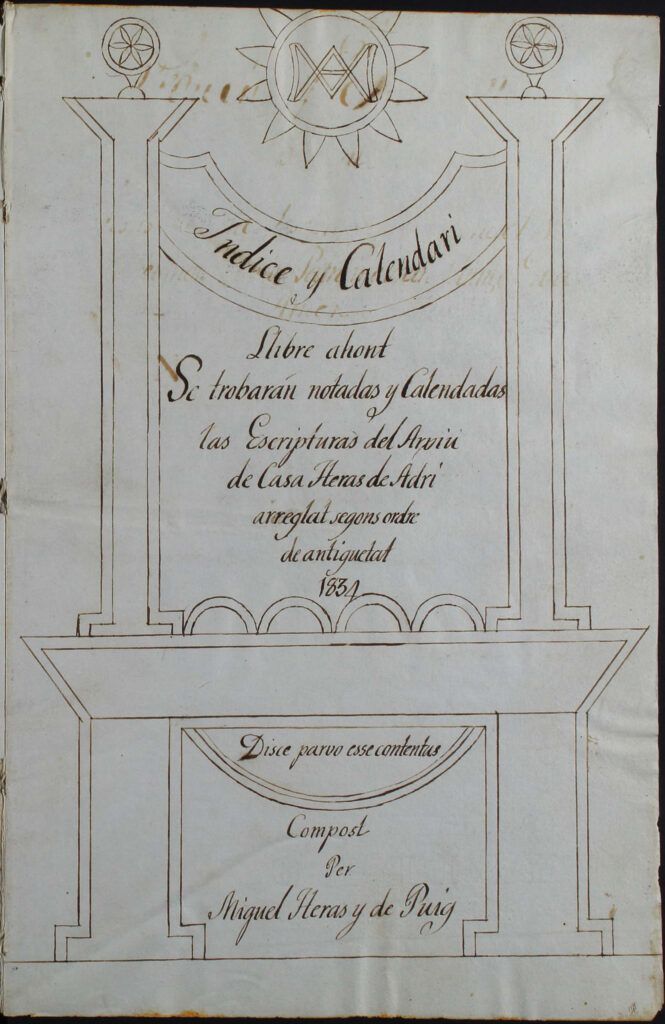
From the Taules de Canvi to central banks
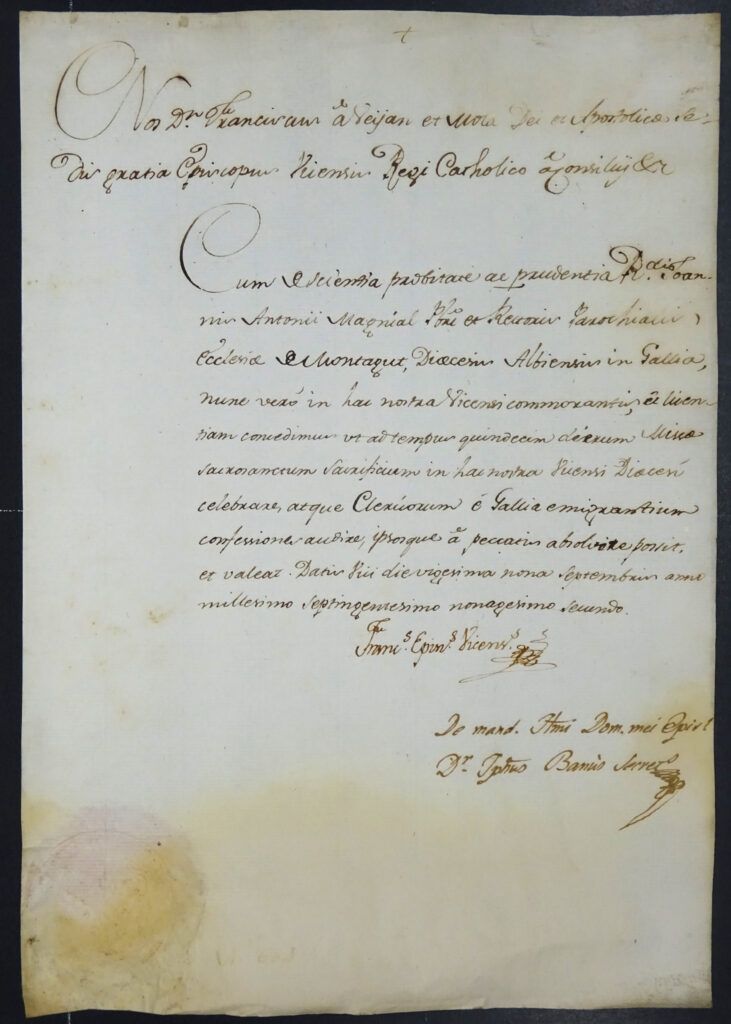
Christian belief and culture
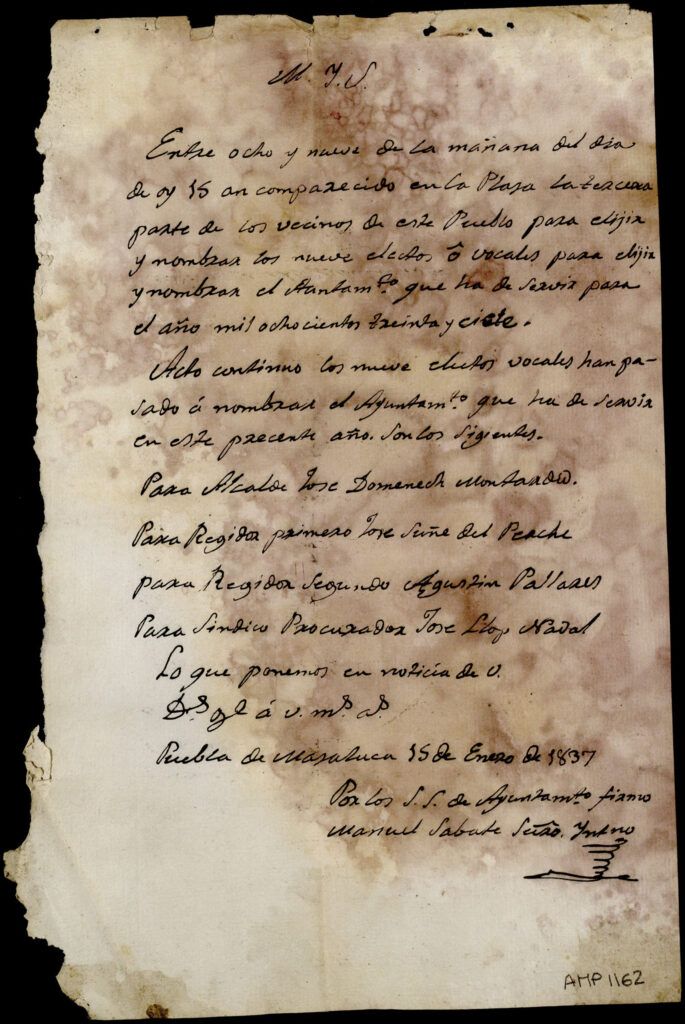
Cradle of parliamentarism