Rock Art in Catalonia
What is rock art?
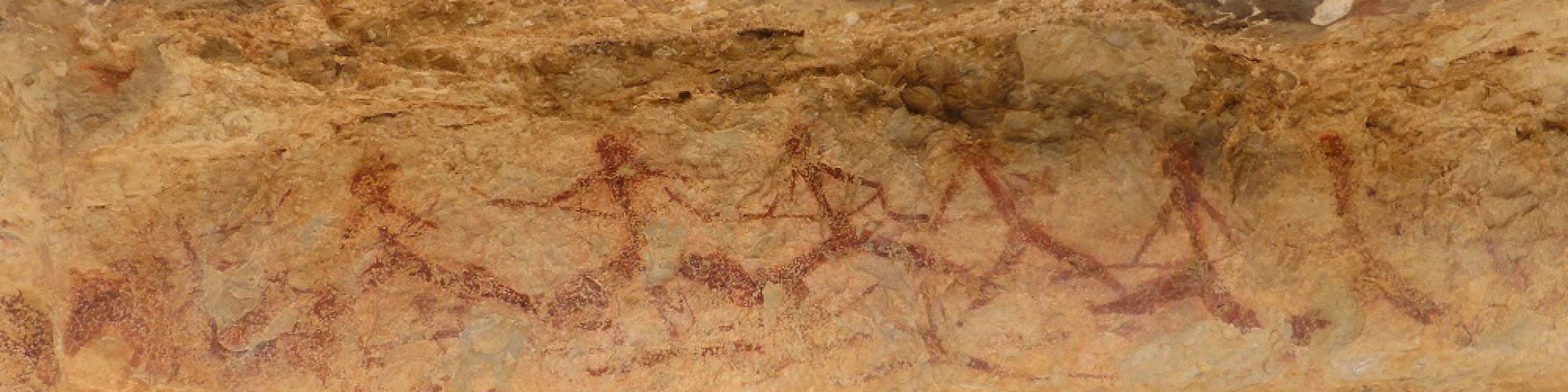
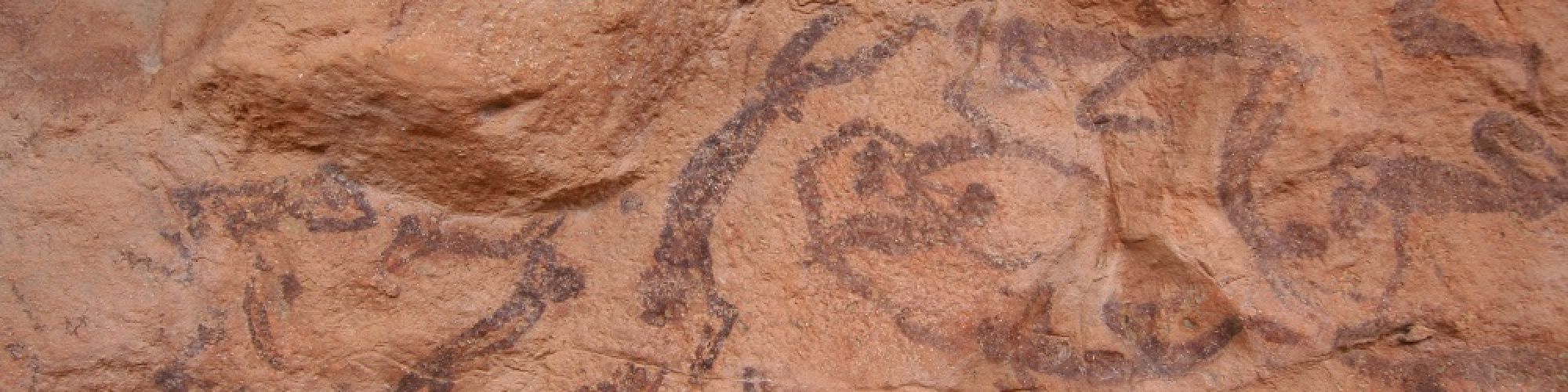
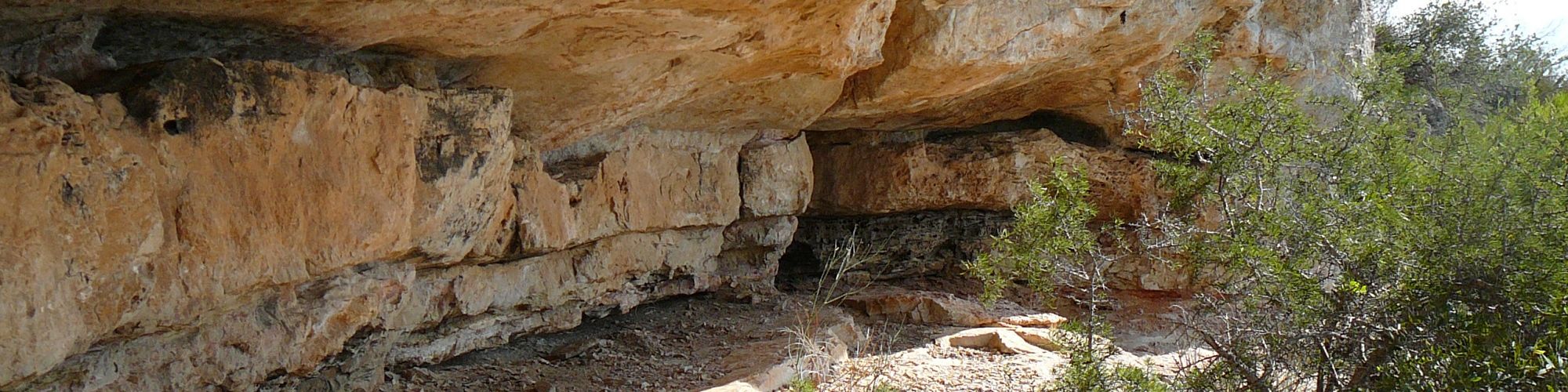
Rock art is one of the oldest and most fascinating artistic expressions of humankind. It consists of paintings and engravings made on rocky surfaces, both inside caves and on rock shelters or open-air sites. This form of expression, found all over the world, reflects the creativity, beliefs, and abstract thought of our ancestors.
Unlike other intangible forms of expression such as music, dance, or oral storytelling, rock art has endured thanks to the solidity of its medium: stone. These works, often of great artistic quality, were used by our ancestors as a visual means of communication to convey ideas—real or symbolic—about the world around them and about their beliefs. In Catalonia, more than a hundred sites with paintings and engravings are preserved, reflecting the cultural richness of the prehistoric societies that inhabited this land.
Rock art represents a unique window into the past, allowing us to understand how prehistoric societies lived, thought, and related to the world. It is a cultural treasure that deserves to be preserved and valued. Precisely because of this exceptional value, sites containing rock-art manifestations are protected as Cultural Assets of National Interest (BCIN), the highest level of protection granted by Catalonia’s Cultural Heritage Act (Law 9/93).
Rock art represents a unique window into the past, allowing us to understand how prehistoric societies lived, thought, and related to the world. It is a cultural treasure that deserves to be preserved and valued. Precisely because of this exceptional value, sites containing rock-art manifestations are protected as Cultural Assets of National Interest (BCIN), the highest level of protection granted by Catalonia’s Cultural Heritage Act (Law 9/93).