On the day of Carnival in 1894, in Armentera, taking advantage of the fact that the whole town was in revelry, a terrible murder was committed that would have remained unsolved if it were not for the mayor’s intuition.
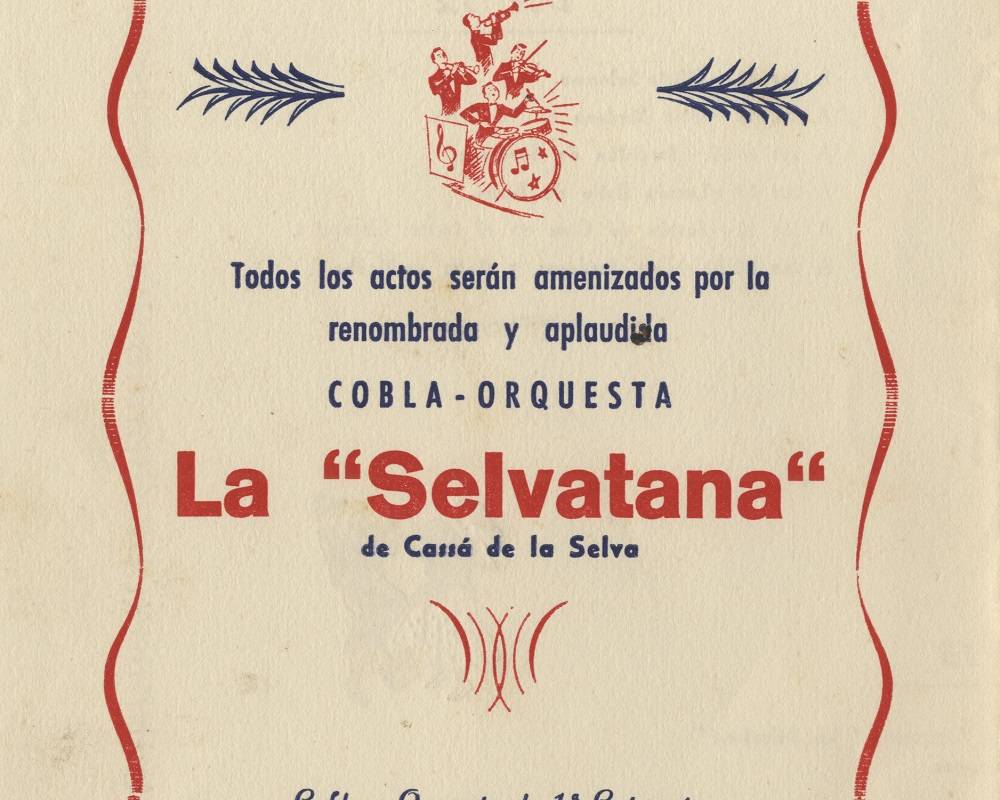
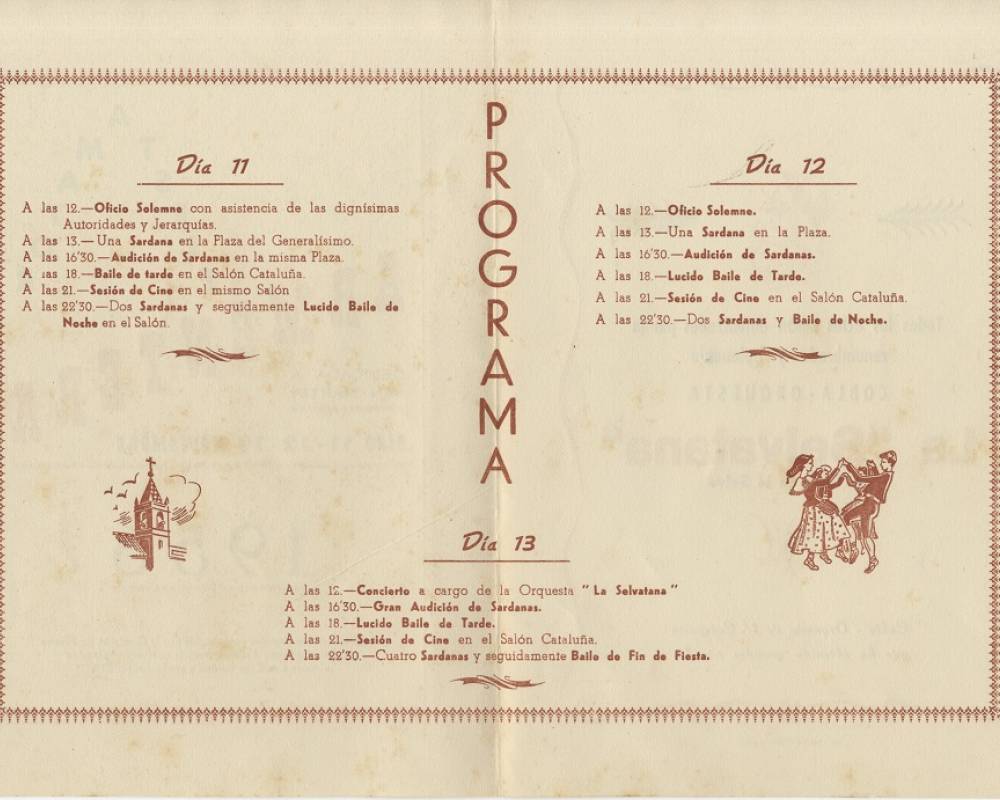
On 6 February 1894, it was Shrove Tuesday, and in Armentera, as in so many other villages of the Empordà, there were sardana dances in the square that afternoon. The place was swarming with people. Everyone from the village and the surrounding area was there. Even the miller, Jaume Tarrés, had wanted to join in. His wife, Margarida Pineda, had stayed at home with the children, a boy of four and a girl of almost eighteen months.
When the musicians finished playing the last tune, at around half past five, Jaume headed back to the mill. Although it was already getting dark, he found it strange that there was no light in the house and that no one came out to meet him, as they usually did. The door was ajar. Everything was silent. Too silent. He called out for Margarida, but there was no answer. Inside, he could barely see, so he lit a lamp. He froze on the spot. His wife and children lay on the floor in a pool of blood.
As fast as he could, he ran back to get help. Jaume found the mayor, Àngel Causa, who was also the head of the local militia. Without a moment’s hesitation, the mayor grabbed his shotgun, and the two men hurried back to the mill. What the mayor saw would be etched in his memory forever. The woman and the boy had their heads split open with hammer blows and fatal wounds to the face and neck made by an axe. The little girl, though badly wounded, was still alive.
While people who had heard about the tragedy began gathering at the mill, Causa inspected the crime scene. Two things caught his attention: a half-empty bottle of brandy on the table, and a bloodstain on the window overlooking the mill pond. This made him suspect that the murderer might have tossed the weapon. He ordered the sluice gates of the pond to be opened so it could be drained. It would be a slow process, taking several hours. But in the meantime, he already knew what needed to be done: to go and question Joan Galceran, known in Armentera as the pastor de la Gratlla. He was a widower who half-lived with a woman, but for some time he had been pursuing the miller’s wife.
A group of men led by the mayor went to the suspect’s house. Although his partner, Maria, was the one who opened the door, Galceran soon appeared, threatening them with a sickle. Causa aimed his revolver at him, and Galceran didn’t dare move.
The group entered the house to look for evidence that might incriminate him. “You can search me all you like but you won’t find a single drop of blood on me”, he said defiantly. With that attitude, it seemed clear to them that he was guilty, and they locked him up.
By the next morning, the mill pond was empty, and Causa’s suspicions were confirmed. At the bottom, amid the mud, lay an axe that several locals immediately recognised. It belonged to Maria, as she herself admitted. Even so, she explained that Galceran had borrowed it from her, saying it was better suited for chopping kindling. When the man was told the weapon had been found, he confessed.
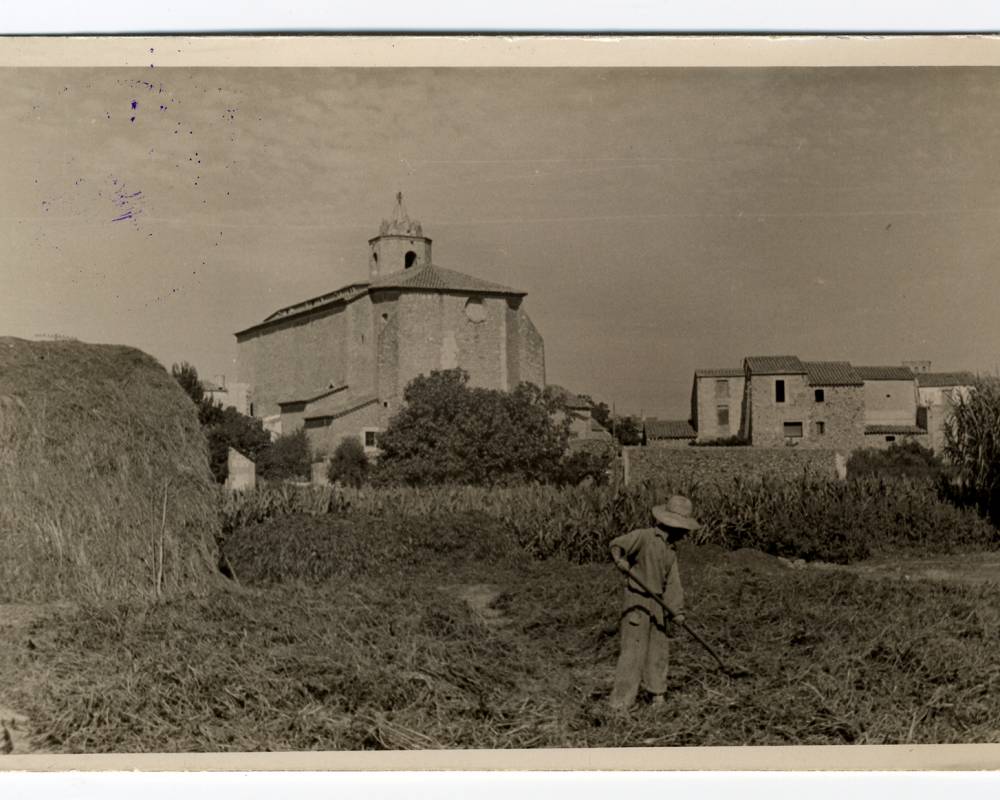
Partial view of Armentera, circa 1940 (ACAE, postcard collection of Jordi Martí Cairó, from Figueres)
Galceran explained that on that Shrove Tuesday, at around a quarter past four in the afternoon, he set out determined to have relations with the miller’s wife, whatever it might cost him. He prepared himself carefully. He left home wearing two sets of clothes and, when he reached the mill, he took off his shoes so he could enter without making a sound. He found Margarida mending clothes, with her little girl on her lap.
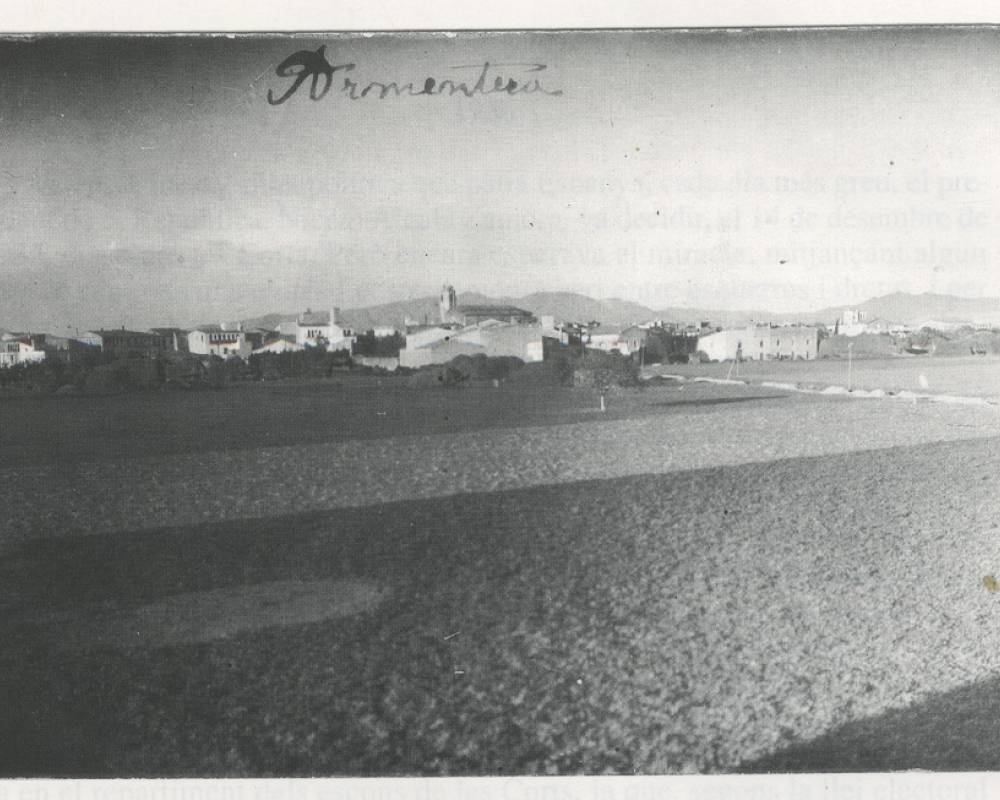
First photo in the book after the acknowledgements. General view of Armentera in the 1920s (L’Armentera: un llarg i difícil camí cap a l’actualitat (1936-1975))
When he was about to leave, he assaulted the miller’s wife again. On his way back to the village, he stopped at Rec Vell to finish cleaning off the traces of blood. Then he went home, where he burned his clothes to get rid of any incriminating evidence. Moreover, to make sure his alibi would hold up in front of the townspeople, he made a point of being seen in the square just as the cobla was playing the last sardana.
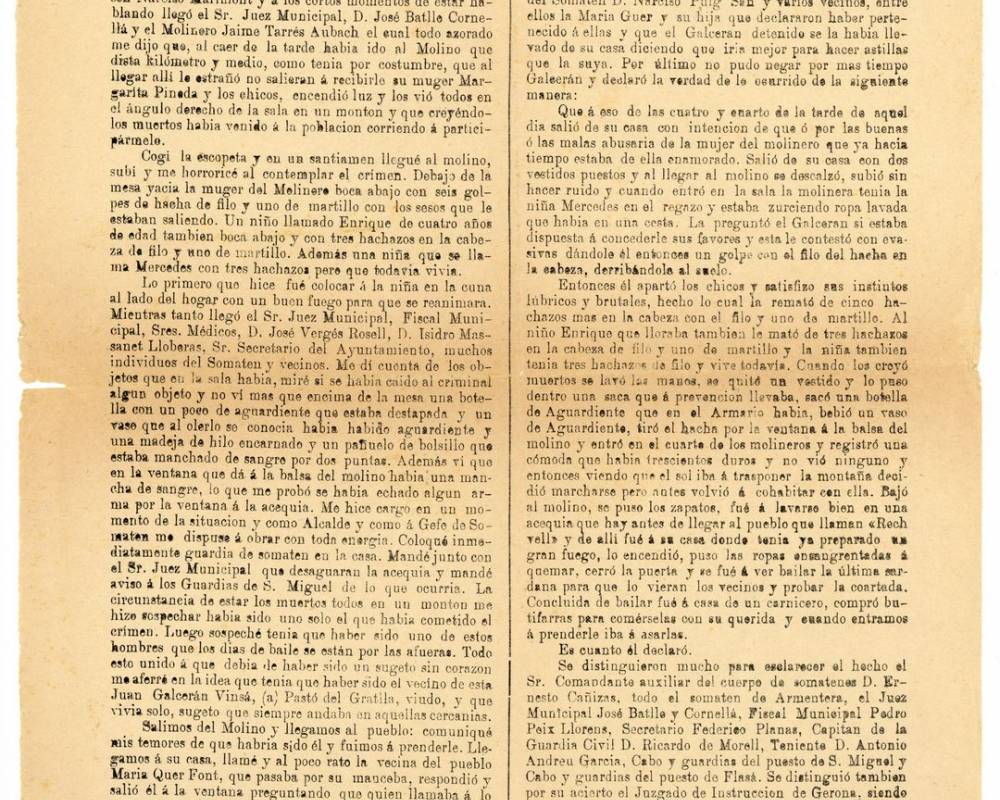
The murder of the miller’s wife and her children caused a great stir throughout the region, and all kinds of rumours began to spread. Most likely for this reason, the mayor of Armentera commissioned the printing of posters with his own version of events, which were distributed around the area. One of those posters is still preserved today in the L’Alt Empordà Regional Archive, and can be consulted there.