Little do tourists imagine that, smeared with sunscreen and coated in sand, they are enjoying Catalan beaches that were once the scene of terrible pirate and corsair attacks. Some episodes have reached us in almost legendary form, but there is one that we can reconstruct step by step thanks to a notary who fought against them in 1543.
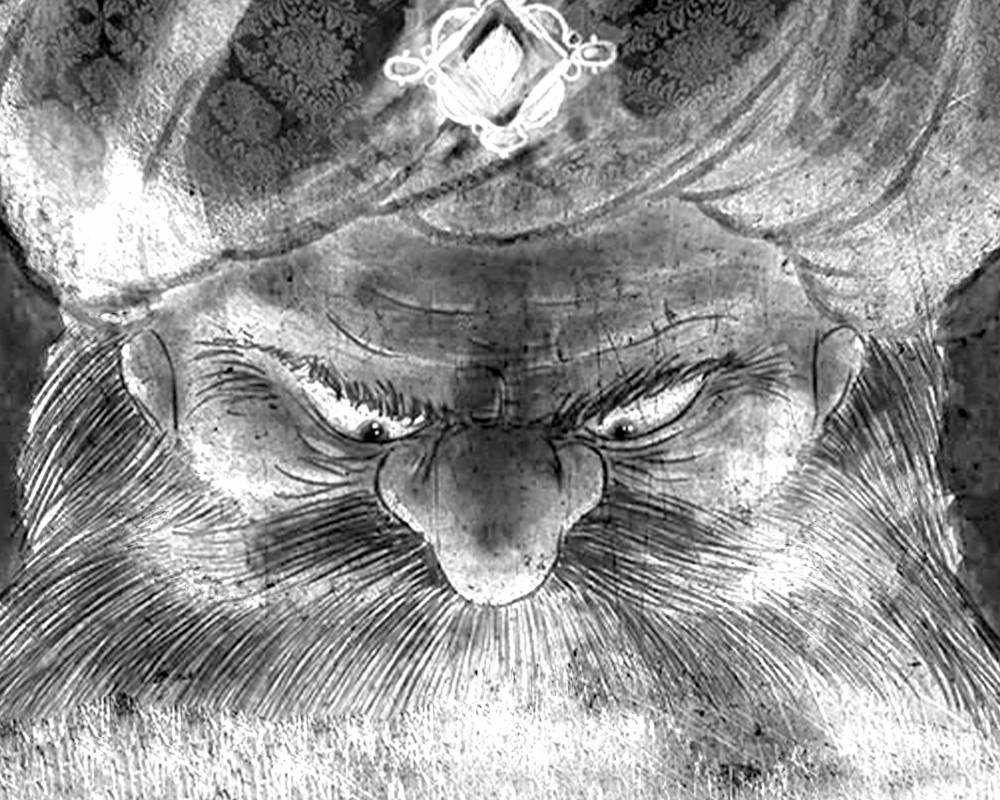
Notary Antic Brugarol and Mayor Sebastià Caixa kept their eyes fixed on the horizon. They carefully scanned that vast blue expanse, which was already beginning to lose its summer brilliance. Although they were not directly on the coast, they could not afford to relax. For quite some time, they had lived in constant fear. One name was on everyone’s lips throughout the region: Red Beard. His squadrons, based in North Africa, spread terror across Christian Europe. Nothing was left standing in their wake.
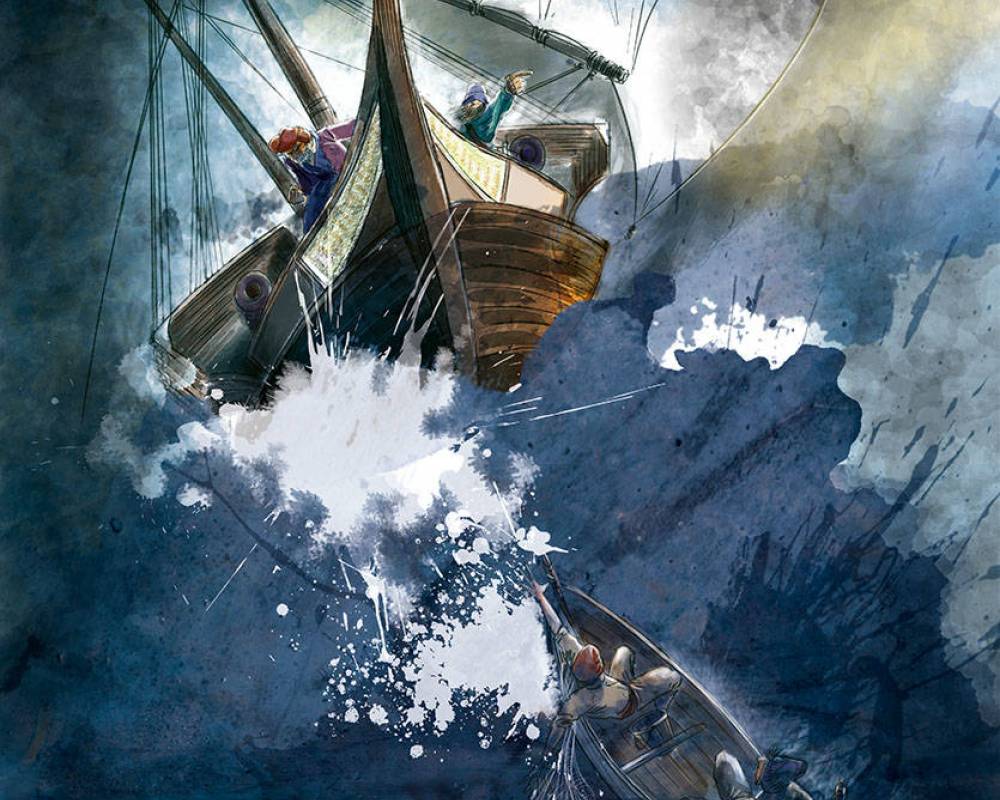
So when, on that Saturday, 6 October 1543, Brugarol and Caixa spotted his ships to the north, they raised the alarm. They needed to be ready in case he decided to attack. And in the meantime, pray to God that the Turks would sail past. But that would not be the case. Their suspicions were confirmed when they saw the ships anchoring off the Medes Islands. The notary Brugarol counted 23 vessels: 20 galleys and 3 fustas, light, fast boats that corsairs used to reach the coast at full speed, leaving no time for a defence to be mounted from land. It was clear that Red Beard and his men were preparing to strike. But where would they do so?
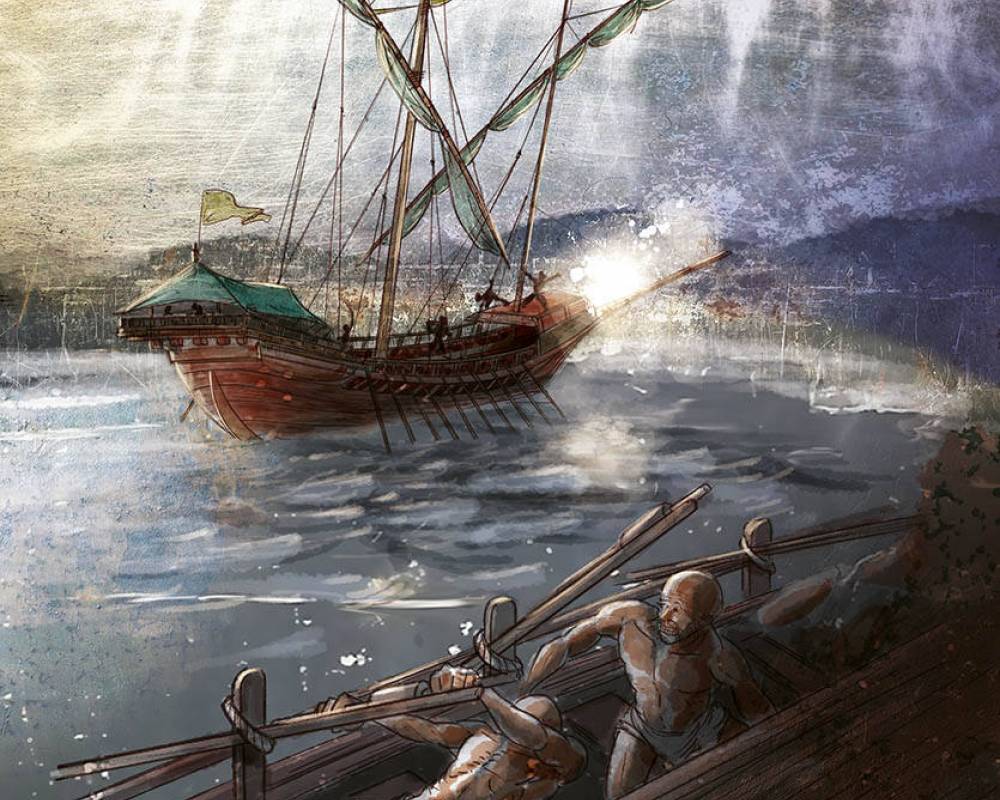
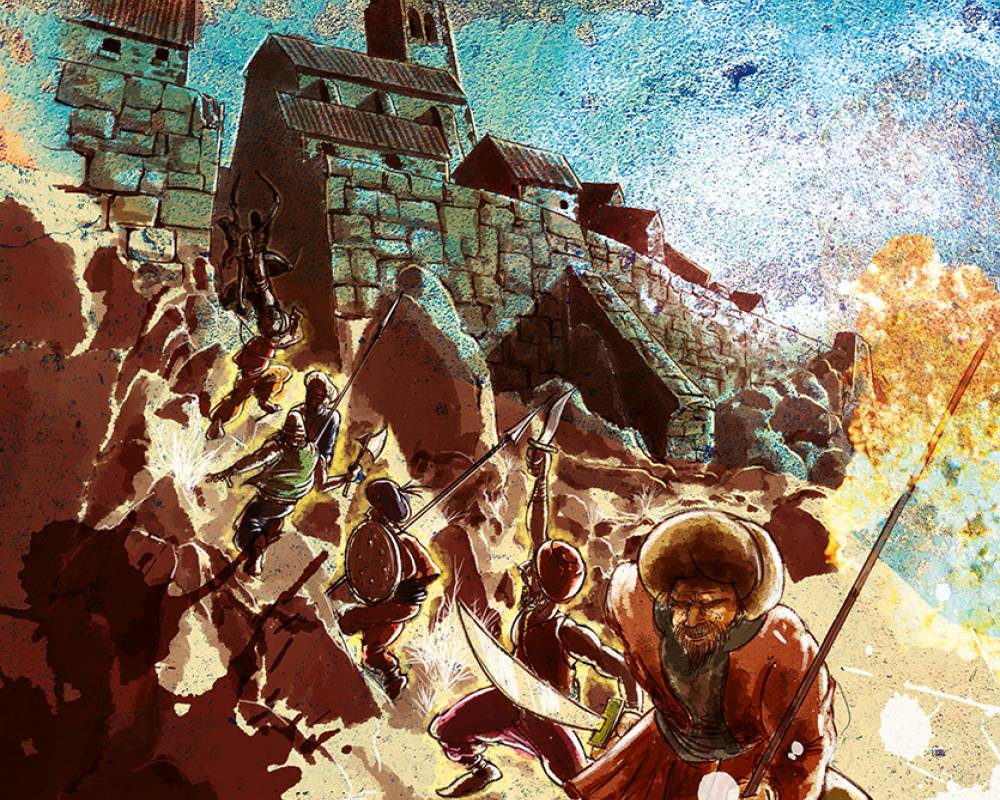
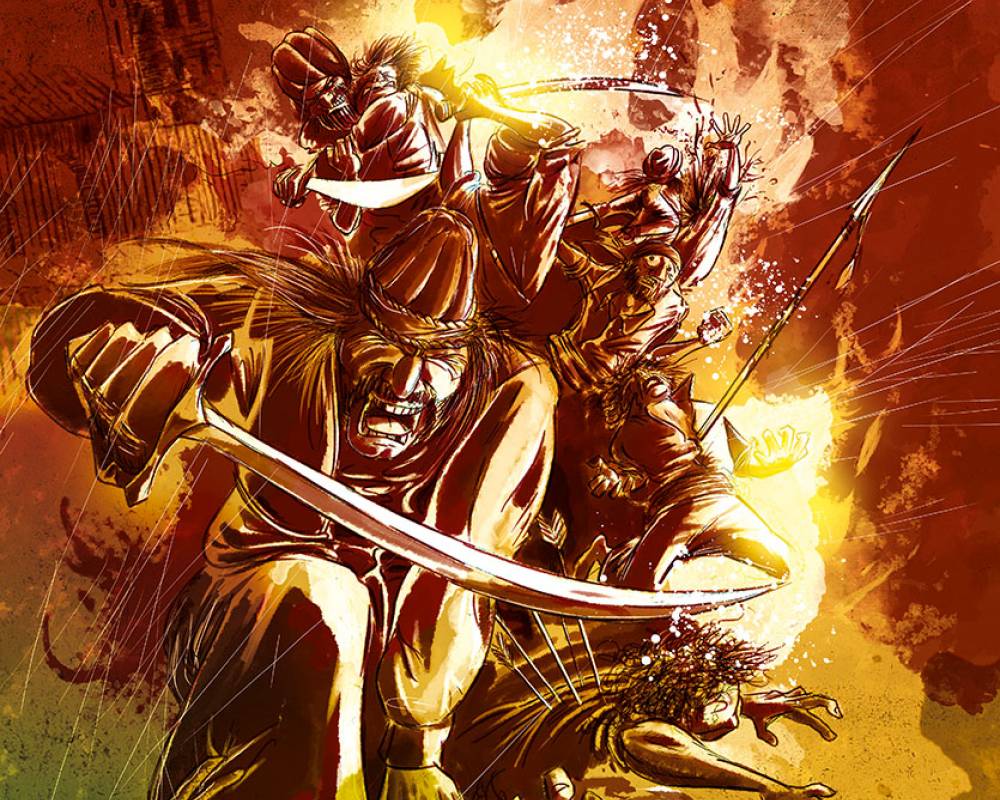
The answer came on Sunday morning, when the fleet’s bows turned towards the area of Palafrugell. The chosen target was the harbour of Palamós. Locals from the surrounding area rushed there. About 200 hundred men, ready to confront those criminals of the sea who had made plunder and violence their way of life. They always followed the same modus operandi. Before landing and engaging in hand-to-hand combat, the corsair galleys opened fire with their bombard cannons. A rain of projectiles decimated the defenders and caused enormous destruction in the area of Palamós and the neighbouring town of Sant Joan. By the time the bravest reached the scene, the battle was already under way. Around 25 men tried to stand up to the corsairs in a hopelessly unequal fight. The gunfire from the galleys and the poor preparation of the Empordà locals meant they had to retreat, leaving their homes at the mercy of the attackers’ looting. The only option was to hide and wait until they sailed away with their spoils.
Red Beard’s men roamed freely through Sant Joan and Palamós until Monday evening. From a distance, columns of smoke could be seen rising, and from time to time, explosions could be heard. As the day drew to a close, the fighting gave way to revelry. The attackers were celebrating their victory. Near midnight, the fleet weighed anchor and continued its course in search of a new target.
With the first light of day, the villagers approached to assess the extent of the attack. It was horrifying. In the streets lay the charred bodies of neighbours who had tried to defend their homes. Some showed signs of extreme violence. One man had been pierced from top to bottom with a spear and then burned. To the notary Brugarol, it seemed he was “cooked enough to eat”. Even worse was the fate of Father Joan Andreu, the sacristan of Palafrugell. He had been decapitated, disembowelled so his heart could be torn out, and his testicles cut off.
It was clear that the attackers had wanted to destroy everything linked to Christianity. They desecrated the church, smashing the altarpieces and burning the images of the Virgin Mary and the crucified Jesus, whose head they had also severed. They even stole the church bells, intending to melt them down and turn them into ammunition for the bombard cannons on their galleys.
The destruction was so severe that, for ten years, the inhabitants of the attacked villages were exempted from paying certain taxes so they could rebuild their homes. Many lost everything during that fateful week of October 1543.
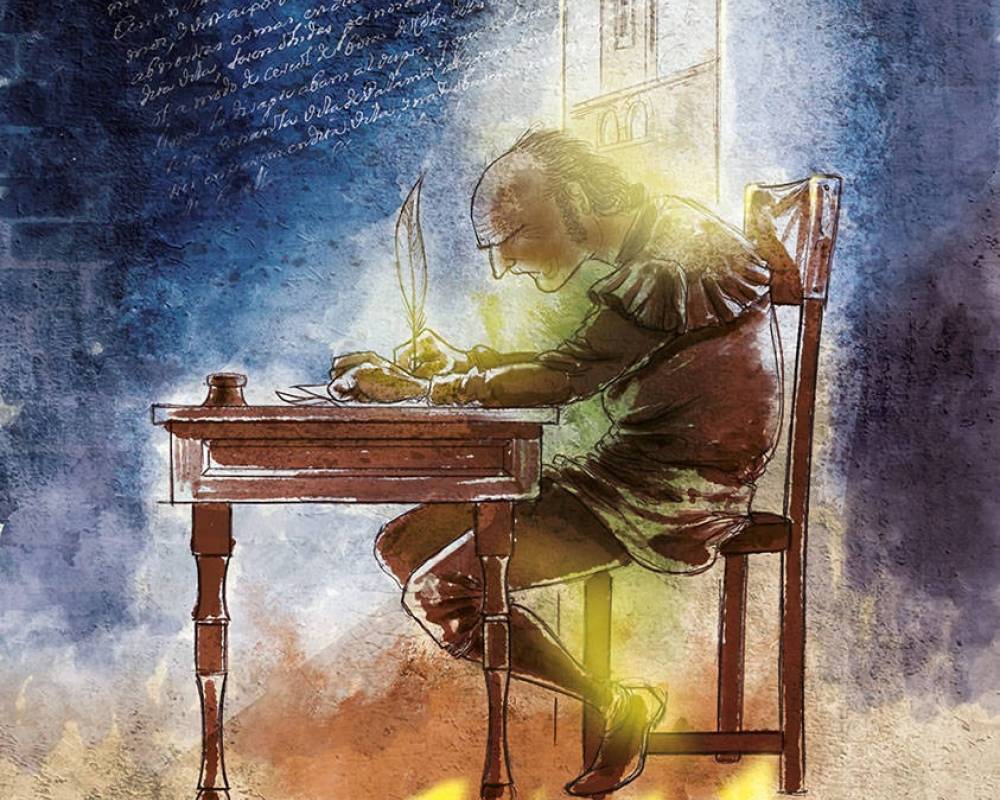
Antic Brugarol, who was a notary to the very marrow of his bones, wanted to record the events for future generations, and so he wrote a chronicle. The document lay forgotten for centuries in the notary’s office in Palafrugell until, in 1730, it was transcribed by the Palamós physician Josep Estany Torres so that the town archive would have a copy. Little did he know that, in doing so, he was saving that episode from oblivion because Brugarol’s original manuscript was later lost.
Fortunately, the physicians of the 18th century had fine enough handwriting that, three centuries later, we can still read his transcription of Red Beard’s crimes. You can see for yourselves.