
Image:
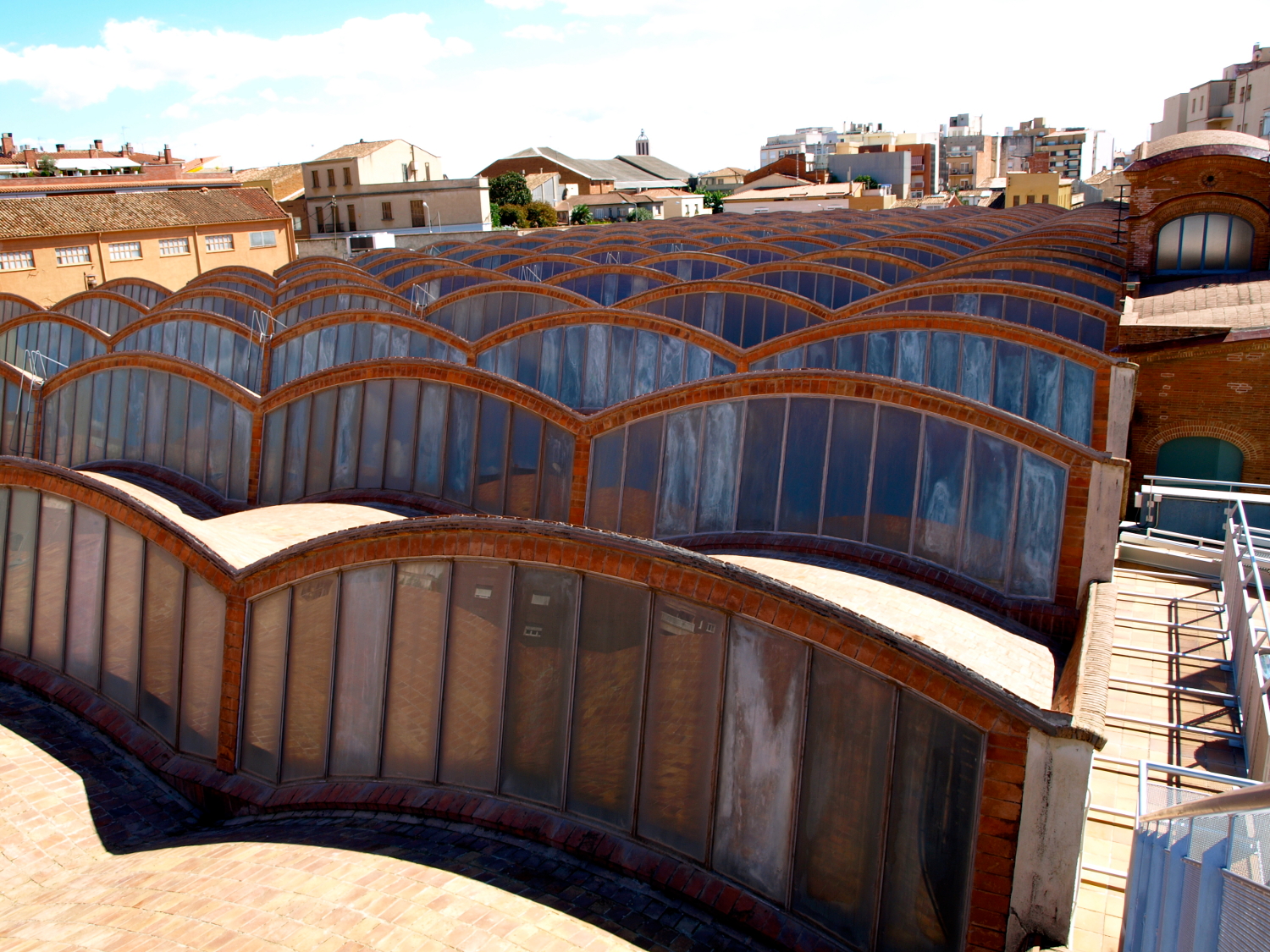
Integrated into the Regional Network of the Museu de la Ciència i de la Tècnica de Catalunya, the Ecomuseu-Farinera at Castelló d'Empúries has, from 2004, explained the story of the men and women of the region dedicated to the cultivation of the wheat grain and the various uses of the flour.
The building of la Farinera offers a tour of the Catalan industrial flour heritage. The machines, tools and structures exhibited are testimony of an activity that has developed since medieval times: first in the old flour mill, and from the end of the 19th century to 2001, at the modern flour mill factory.
The visit to the Ecomuseum is completed with a route that follows, up to the Pont de la Mercè, part of the five kilometres of the Rec del Molí (mill irrigation channel). This hydraulic infrastructure drove water from the weir at Vilanova de la Muga to the flour mill, skirting around and supplying the orchards and fields. Upon arrival at the flour mill, the water turned a Francis turbine from 1905, which was responsible for generating the energy necessary for the operation of the factory.
Right next to the Llobregat river, almost in touching distance of the town of Esparreguera, is one of the main witnesses to the industrial history of Catalonia: la Colònia Sedó. The large 1,400 CV turbine is one of the biggest attractions of the site, a cast iron machine which was the largest and most powerful in Spain and one of the most spectacular in Europe. Nowadays, water no longer drives it, but it has been converted into the Museum which houses the history of the colony.
In the former engine room you can see the model of the colony, where its story is told through a montage of light and sound, and a three-dimensional audiovisual is projected inside the turbine’s water pipe. The visit is rounded off with an explanation of the energy system that powered the industrial complex of Miquel Puig. The walk around the colony allows you to understand the social life and the production process of a 'small town' where the looms lived alongside the workers.
The Colònia Sedó industrial complex was founded in 1846, taking advantage of the waterfall of the old mill of Can Broquetes. Currently you can still see the halls dedicated to spinning the cotton, the canal and the lock of the waterfall, the roofs with their Catalan vault and the offices. Two of the defining features of the complex are the helical brick chimney of the old steam engine and the semicircular aqueduct that carried water from the river to the turbine.
